Pet Store: Workers' Compensation Insurance
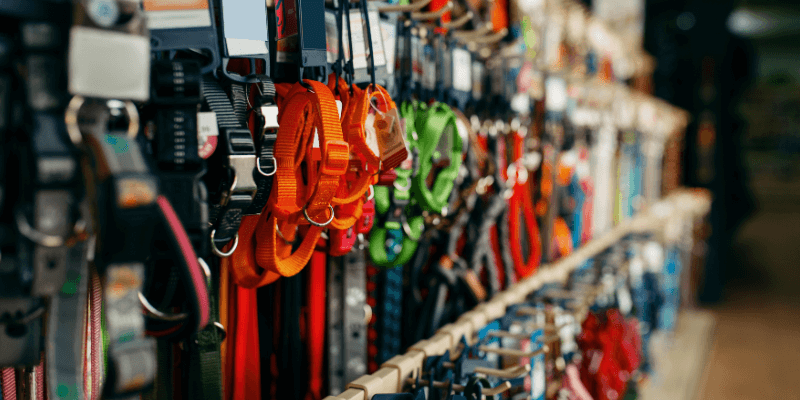
Running a pet store isn’t just about adorable animals and happy customers—it’s a business that can come with its own unique set of challenges. From handling inventory to maintaining a bustling retail space, pet store employees might face risks that go beyond the average workplace.
That’s why Workers’ Compensation insurance can be an important consideration for your business. This coverage can help address work-related injuries or illnesses while also helping protect your business from financial strain. Whether it’s an injury from using a tool in the office or a back injury from lifting heavy bags of pet food, Workers’ Comp can provide valuable support for your team while you focus on running your store.
What Is Workers' Compensation Insurance?
Workers’ Compensation insurance is designed to assist businesses with helping to address certain costs related to employee injuries or illnesses that occur on the job. For pet store owners, this might include covering medical expenses, lost wages, or even legal fees if an employee files a claim after an incident.
Most states require businesses with employees to carry Workers’ Compensation insurance, but the specifics of these requirements can vary. By exploring options tailored to your pet store’s operations, you could be prepared to handle challenges that might arise from workplace incidents.
Workers' Compensation in the Pet Store Industry
Operating a pet store often involves tasks that can lead to workplace injuries. Some common risks employees may face include:
- Heavy lifting: Back or muscle injuries from moving large bags of pet food or supplies.
- Slippery surfaces: Falls caused by water spills or cleaning supplies.
- Repetitive tasks: Strains or injuries from tasks like grooming, stocking, or customer service duties.
Workers’ Compensation insurance can help with certain costs related to these incidents, such as:
- Medical expenses for treatment and recovery.
- Lost wages for employees unable to work during recovery.
By helping to address these liabilities, pet store owners might create a safer and more secure environment for their teams.
Who Is Exempt From Workers' Compensation?
Workers’ Compensation requirements vary by state, and so do the exemptions. While most businesses with employees might be required to carry this coverage, certain individuals or roles may not need to be covered in certain states. For example:
- Business owners: In New Jersey, sole proprietors, partners, or corporate officers might be exempt, depending on state regulations and the structure of the business.
- Independent contractors: Workers classified as independent contractors rather than employees may not be covered by Workers' Compensation policies.
- Specific roles or industries: Some states exempt federal government employees, domestic workers, or casual laborers.
It’s important for pet store owners to review their state’s Workers’ Compensation laws to determine who might qualify for an exemption.
What Influences the Cost of Workers' Compensation Insurance?
The cost of Workers’ Compensation insurance is determined by several factors specific to your business. For pet store owners, these may include:
- Industry risk level: Pet stores have some risks related to tasks like handling animals and heavy lifting. Higher risk levels typically lead to higher premiums.
- Payroll size: Premiums are calculated as a percentage of your total payroll, so the more employees you have or the higher the total amount of wages are, the more you might pay.
- Claims history: A business with a history of frequent or severe claims may see higher premiums, as it can be considered a greater risk.
- Safety measures: Implementing strong workplace safety programs, like training for animal handling or proper lifting techniques, can help reduce risks and potentially impact costs positively.
Since premium rates can vary by state, provider, and the business itself, it can be best to get a quote. Get a personalized quote from PolicySweet® to determine how Workers’ Compensation can help protect your business!